Luggage Policy for Airport Transfer Services Explained
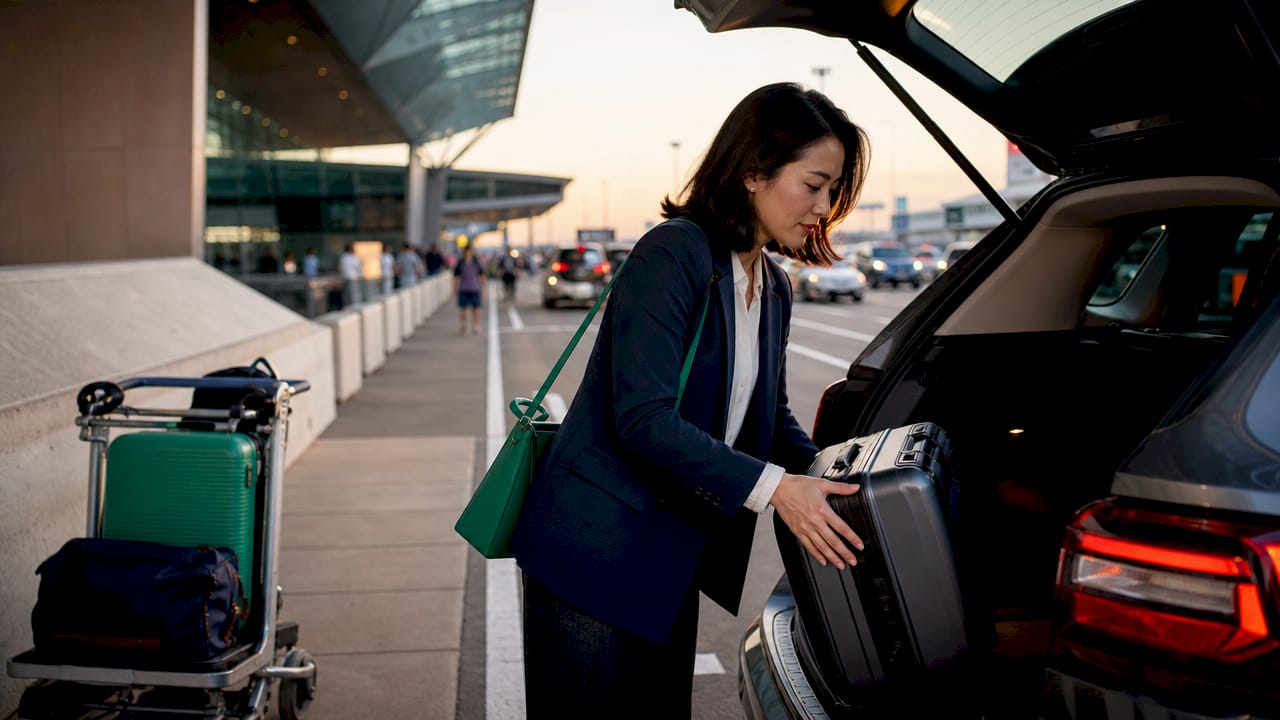
The luggage policy for an airport transfer service defines the baggage rules, size limits, and handling expectations that govern how your bags travel with you from the airport to your destination. Most travelers focus on airline baggage allowances and completely overlook the separate rules that apply to the ground transfer leg. That gap causes real problems: wrong vehicle bookings, bags left behind, and delays at pickup. Understanding transfer service baggage allowance before you book is the single most effective way to avoid those problems.
What is the luggage policy for airport transfer services?
The luggage policy for an airport transfer service covers three things: how many bags the vehicle can physically hold, whether the driver assists with loading, and what items are restricted or require special arrangements. Unlike airline baggage rules, transfer policies are set by the provider, not a regulatory body. That means policies vary significantly between a shared airport shuttle and a private car service.
The most common mistake travelers make is booking a vehicle based on passenger count alone. Luggage volume and bag count must be communicated to the provider to get the right vehicle match. A family of four with two checked suitcases, two carry-ons, and a stroller needs a different vehicle than four business travelers with laptop bags.
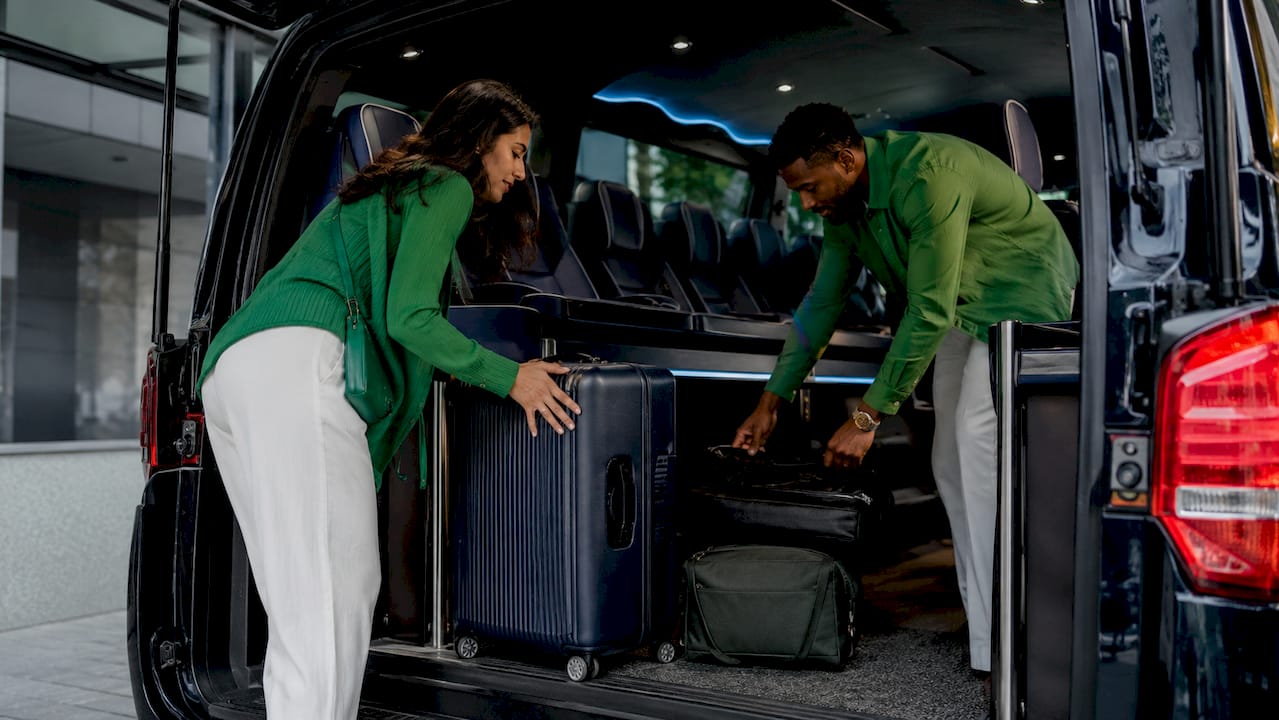
Providers like Ram’s Airport Transfer and Zont Cab build luggage handling directly into their service model. That approach sets private transfer services apart from rideshares and taxis, where self-loading is the default expectation.
How to choose the right vehicle based on luggage needs
Vehicle selection is the most practical decision you make when booking a transfer. Trunk volume varies sharply by vehicle class: an economy sedan holds roughly 420 liters, a minivan or MPV holds 800 liters or more, and a minibus reaches 1,200 liters or beyond. Those numbers translate directly into how many bags fit without forcing passengers to hold luggage on their laps.
One detail most travelers miss: a large vehicle with many seats does not automatically mean a large trunk. Some 7-seat minivans sacrifice cargo space for the rear row. Always ask the provider for realistic luggage capacity, not just seat count.
| Vehicle type | Trunk volume | Luggage fit | Best use case |
|---|---|---|---|
| Economy sedan | ~420L | 2 large bags + 1 carry-on | Solo traveler or couple, light luggage |
| Minivan / MPV | ~800L+ | 4–5 large bags + carry-ons | Family of 4, standard checked luggage |
| Minibus | ~1,200L+ | 12+ large suitcases | Groups, sports equipment, bulky items |
The table above reflects realistic fit, meaning checked suitcases plus carry-ons and backpacks counted together. Providers who quote luggage capacity without including carry-ons are giving you an incomplete picture.
Pro Tip: When you are unsure whether your luggage fits, book one vehicle size up. The cost difference is small. The stress of a wrong booking at the airport is not.
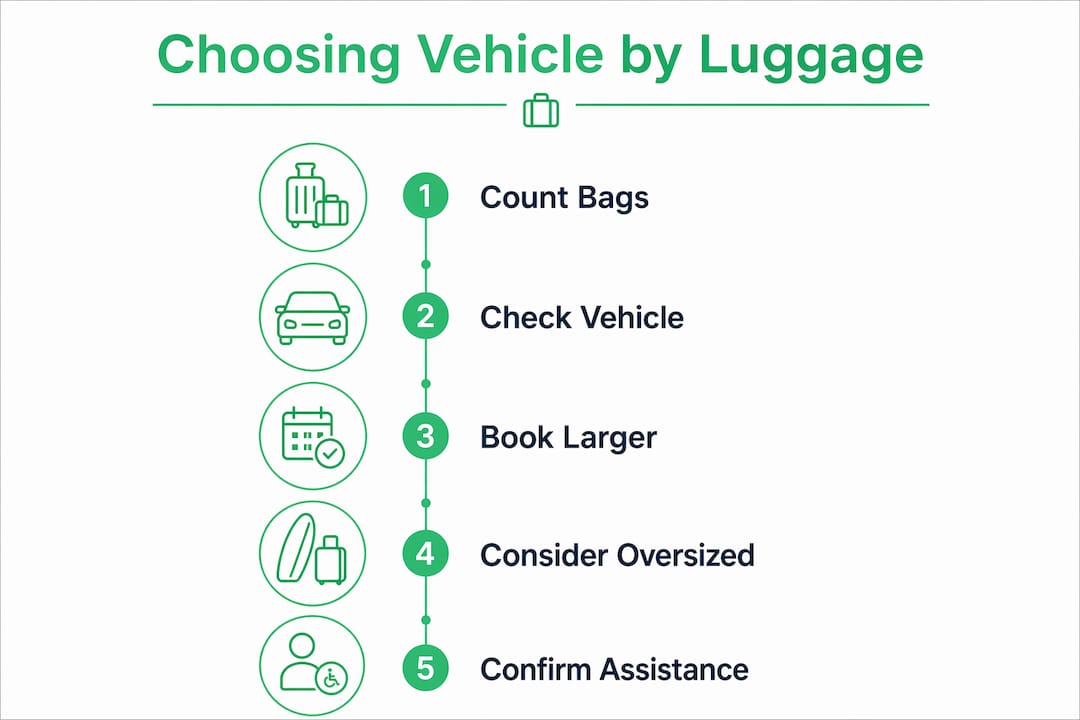
For groups traveling with oversized gear like ski bags, golf clubs, or strollers, a minivan transfer service is almost always the right call. Confirm the specific items with the provider at booking, not at pickup.
What luggage handling assistance do transfer services provide?
Luggage assistance is a defining feature of private airport transfer services, and it is not universal. Ram’s Airport Transfer includes driver loading and unloading on every booking, with no extra charge. That means the driver helps carry heavy suitcases, manages trolleys, and assists with porter handover at the terminal.
This level of service matters most for specific traveler types:
- Elderly travelers who cannot lift heavy bags without risk of injury
- Families with young children managing strollers, car seats, and multiple suitcases
- Passengers with medical equipment such as wheelchairs or CPAP machines
- Solo travelers with oversized or multiple bags who physically cannot manage alone
Rideshares and standard taxis operate differently. Drivers in those services are not typically expected to assist with luggage beyond opening a trunk. If you need hands-on help, a private transfer service is the right category.
Pro Tip: Confirm luggage assistance when you book, not when you arrive. Ask specifically whether the driver will help carry bags to and from the terminal, not just load the vehicle.
Zont Cab drivers assist with luggage loading and unloading as part of the standard service. That is one reason the service holds a 4.5-star rating on TripAdvisor across more than 50,000 completed trips.
How do airline baggage rules affect your transfer luggage?
Airline baggage rules and airport transfer luggage policies operate on separate tracks, but they interact in ways that catch travelers off guard. The key concept is through-check baggage. A single ticket with an interline agreement allows your luggage to transfer automatically to your final destination without you collecting it at a connecting airport. Separate tickets do not carry that guarantee.
When you book two separate flights, the second airline has no obligation to receive your bags from the first. Separate tickets require you to claim your bags at the connecting airport, clear customs if required, and recheck with the next carrier. That process adds significant time and directly affects when your transfer vehicle needs to pick you up.
The practical consequences of getting this wrong include:
- Missing your transfer pickup window because baggage claim took longer than expected
- Arriving at the transfer vehicle without your bags because you assumed they were checked through
- Paying for excess baggage recheck fees you did not budget for
- Missing a connecting flight because the recheck process ran long
Hong Kong Airlines states this plainly: bags on separate tickets are tagged only to the destination of that ticket’s airline, not your full itinerary. Verify the destination airport code printed on your baggage tag at check-in. That three-letter code tells you exactly where your bag is going.
Always communicate any baggage delays or recheck requirements to your transfer provider before you land. Most private services, including Zont Cab, track flights in real time and can adjust pickup timing. Shared shuttles typically cannot.
Security rules that apply to luggage regardless of transfer service
Airport security rules apply to every traveler at every stage of the journey. No transfer service policy overrides them. IATA security screening rules apply equally during transfers, and airlines vary in their carry-on allowance policies beyond the baseline.
The core restrictions every traveler must know before any transfer:
- Liquids in carry-ons are limited to containers of 100 ml or less, all placed in a single 1-liter transparent resealable bag
- Sharp objects including scissors over 6 cm, knives, and razor blades are prohibited in carry-on luggage
- Lithium batteries above a certain watt-hour rating cannot go in checked bags and must travel in the cabin
- Flammable materials including certain aerosols and fuels are prohibited in both carry-on and checked luggage
These rules affect how you pack before your transfer, not just at the airport gate. If a security check at a connecting airport finds a prohibited item in your carry-on, it will be confiscated. That creates delays that ripple into your transfer timing.
Different airlines also apply different carry-on size and weight limits. A bag that fits on one airline may be gate-checked on the next. Factor that possibility into your transfer vehicle booking, since a gate-checked bag joins the checked luggage stream and requires baggage claim time.
Common mistakes and how to fix them fast
Most luggage problems during airport transfers are preventable. The errors tend to cluster around a few recurring patterns, and knowing them in advance saves real time.
- Underestimating total luggage volume. Travelers count checked suitcases and forget carry-ons, backpacks, and personal items. Count every bag, including the ones going in the cabin.
- Assuming automatic baggage transfer on separate tickets. Separate ticket connections almost always require physical baggage claim and recheck. Never assume. Confirm with both airlines at check-in.
- Not checking the destination code on baggage tags. At check-in, look at the three-letter airport code on your tag. If it shows a connecting airport instead of your final destination, your bag stops there.
- Booking the vehicle for passengers, not luggage. A sedan fits four people but may not fit four people’s luggage. Match the vehicle to the bags, not just the bodies.
- Waiting until arrival to report missing luggage. File a missing bag report immediately at the baggage reclaim area before leaving the airport. IATA advises this to coordinate with transfer logistics and adjust pickup timing.
If your luggage is delayed, contact your transfer provider right away. Private services with real-time flight tracking can hold your driver or reschedule. For smooth luggage coordination, communicate the issue before you exit the arrivals hall, not after.
Pro Tip: When you book your transfer, send the provider a message listing your exact bag count: for example, two checked suitcases, one carry-on, one backpack. That single step eliminates the most common vehicle mismatch.
Key Takeaways
The luggage policy for an airport transfer service covers vehicle capacity, driver assistance, and airline baggage rules, and understanding all three prevents the most common transfer problems.
| Point | Details |
|---|---|
| Match vehicle to luggage, not passengers | Count every bag including carry-ons before selecting a vehicle type. |
| Confirm driver assistance at booking | Not all services include luggage loading; verify before arrival to avoid surprises. |
| Separate tickets require manual recheck | Bags do not transfer automatically; claim and recheck at each connecting airport. |
| Check your baggage tag destination code | The three-letter code at check-in tells you exactly where your bag is routed. |
| Report missing bags before leaving the airport | File a missing luggage report at baggage reclaim immediately to protect your transfer timing. |
What I’ve learned from watching travelers get this wrong
I’ve watched the same scenario play out dozens of times. A traveler books a sedan for two people, shows up with two large suitcases, two carry-ons, and a duffel bag, and the driver physically cannot fit everything. The traveler is surprised. The driver is not. The fix is always the same: book the next size up and list every bag when you book.
The airline baggage rule confusion runs even deeper. Travelers on separate tickets genuinely believe their bags will follow them to the final destination. That belief is almost always wrong. The interline agreement between airlines is what enables through-check, and separate tickets rarely carry one. I’d argue this is the single most expensive assumption in travel.
My practical recommendation: treat your transfer booking the same way you treat your airline booking. Declare your luggage precisely. Confirm what assistance is included. Verify your bag tags at check-in. And if you are traveling with anything unusual, whether that is a bicycle, a musical instrument, or medical equipment, call the provider directly. A two-minute conversation before travel prevents a two-hour problem at the airport.
The providers who handle luggage well are the ones who ask about it upfront. That question at booking is a signal of a well-run operation.
— Arthur
Zont Cab handles your luggage so you don’t have to
Zont Cab operates across more than 120 cities in Europe with a fleet sized for real travel, not just passenger count. Every vehicle is matched to your luggage load, and every driver assists with loading and unloading as part of the standard service.
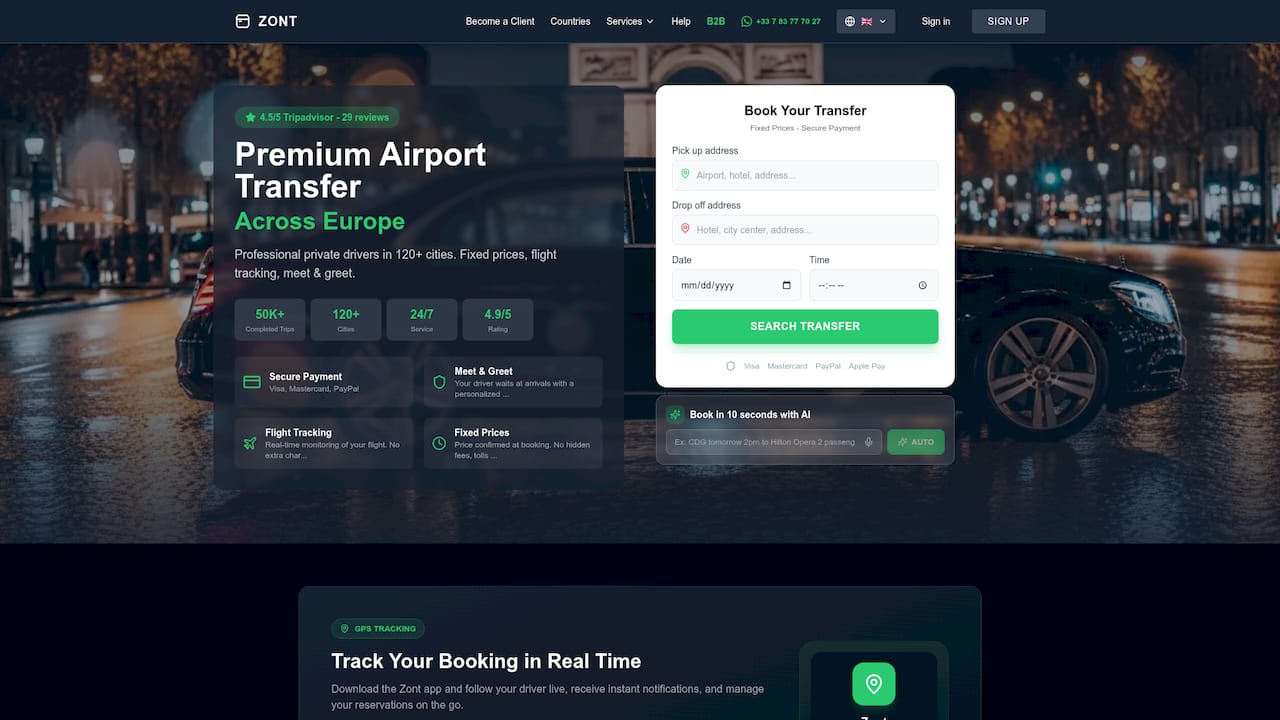
Fixed pricing means no surprise fees for extra bags. Real-time flight tracking means your driver adjusts if your luggage causes a delay at baggage claim. Whether you are traveling solo with one bag or arriving as a group with a full load of suitcases, Zont Cab has the right vehicle ready. Book your airport transfer across Europe and tell the team exactly what you are bringing. They will handle the rest.
FAQ
What is the luggage limit for airport transfer services?
Airport transfer services do not set a universal luggage limit. Limits depend on the vehicle type booked; an economy sedan fits roughly 2 large bags plus a carry-on, while a minibus holds 12 or more large suitcases.
Do I need to recheck my bags on separate tickets?
Yes. Separate tickets require you to collect your bags at the connecting airport and recheck with the next carrier. Through-check only applies when a single ticket includes an interline agreement between airlines.
Will my transfer driver help carry my luggage?
It depends on the provider. Services like Ram’s Airport Transfer and Zont Cab include driver luggage assistance at no extra charge. Rideshares and standard taxis typically do not.
What happens if my luggage is delayed and I miss my transfer pickup?
File a missing bag report at the baggage reclaim area immediately. Then contact your transfer provider. Private services with real-time flight tracking can adjust your pickup time; shared shuttles generally cannot.
Do airport security rules apply during a transfer?
Yes. Security screening rules apply at every stage of travel regardless of your transfer service. Liquids in carry-ons must be in containers of 100 ml or less, and prohibited items are confiscated at any security checkpoint.